
FAQs
Common Questions About Men's Nutrition & Health
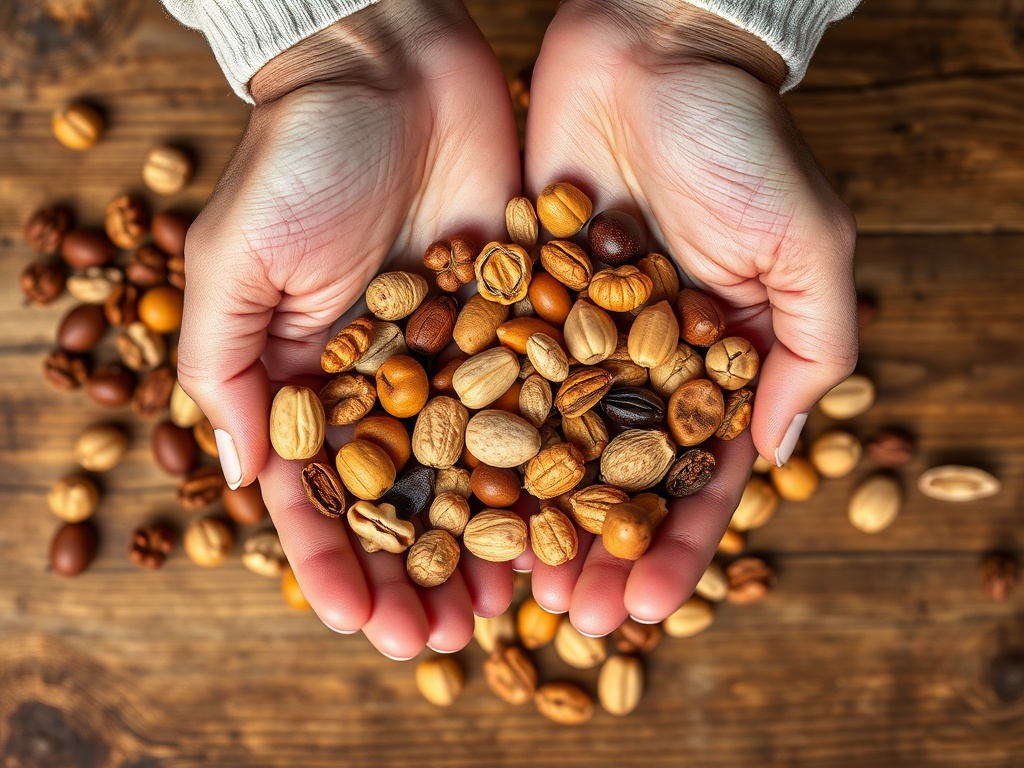
What are essential nutrients for men?
Proper nutrition forms the foundation of men's health. Key nutrients like zinc, magnesium, and B vitamins support testosterone production, energy levels, and muscle function. A balanced diet rich in lean proteins, whole grains, and vegetables ensures your body gets everything needed for optimal performance. Many men overlook micronutrients, focusing only on protein intake, but comprehensive nutrition addresses multiple health markers including cardiovascular health, mental clarity, and physical endurance.
Why is nutrition important for male wellness?
Men face unique health challenges including heart disease, prostate concerns, and metabolic issues. Targeted nutrition addresses these specific risks while supporting energy, strength, and longevity. A nutritionist-guided approach helps identify personal deficiencies and creates sustainable eating habits. Proper nutrition reduces inflammation, stabilizes blood sugar, improves sleep quality, and enhances mental performance. Investing in dietary habits now prevents chronic disease and maintains vitality throughout life.
What dietary changes support prostate health and hormonal balance?
Lycopene-rich tomatoes, cruciferous vegetables, and fatty fish containing omega-3s provide targeted support for men's hormonal health. Reducing processed foods, excess sugar, and unhealthy fats helps maintain testosterone levels naturally. Regular consumption of selenium, vitamin E, and polyphenols from berries supports prostate function. Limiting alcohol and maintaining adequate hydration completes a comprehensive approach. These evidence-based changes work synergistically to promote endocrine health.
How can men improve cardiovascular health through nutrition?
Heart disease remains a leading health concern for men. A Mediterranean-style diet emphasizing olive oil, fish, nuts, and vegetables significantly reduces cardiovascular risk. Limiting sodium intake, increasing soluble fiber, and choosing lean proteins protects arterial health. Antioxidants from dark leafy greens and berries reduce inflammation and improve blood flow. Adding garlic, onions, and spices enhances cardiovascular benefits without excess calories. Consistent dietary choices create lasting heart protection.
What role does protein play in men's muscle development?
Protein supports muscle growth, recovery, and metabolic health in men. Quality sources include chicken breast, fish, eggs, Greek yogurt, and legumes. Spacing protein intake throughout the day optimizes muscle protein synthesis better than consuming large amounts once daily. Combining protein with resistance training maximizes results. Adequate protein also supports bone density, immune function, and satiety. Individual needs vary based on age, activity level, and fitness goals, requiring personalized nutrition guidance.
How does hydration affect men's athletic and cognitive performance?
Proper hydration is essential for muscle function, mental clarity, and overall performance. Dehydration impairs cognitive function, reduces physical endurance, and affects mood regulation. Men often underestimate hydration needs, especially during exercise. Plain water remains ideal, though electrolytes matter during intense activities. Individual requirements depend on climate, activity level, and metabolism. Establishing consistent hydration habits throughout the day supports sustained energy and optimal health outcomes.
Explore more nutrition tips tailored specifically for men's health

What supplements benefit men's health and performance?
While whole foods come first, certain supplements fill nutritional gaps. Vitamin D supports bone health and mood, particularly important for men with limited sun exposure. Magnesium improves sleep quality and muscle recovery. Omega-3 supplements benefit those not eating enough fish. Creatine supports muscle strength and brain health with solid research backing. Always choose quality brands and consult healthcare providers before starting supplements. Supplementation complements rather than replaces proper nutrition.
How can men maintain healthy weight and body composition?
Sustainable weight management combines proper nutrition with strength training. Focus on whole foods rather than calorie restriction alone. Increasing protein and fiber creates satiety, reducing overall calorie intake naturally. Strength training preserves muscle mass during weight loss, maintaining metabolic rate. Sleep quality and stress management significantly impact body composition. Patience with gradual changes creates lasting results. Personalized nutrition plans accounting for individual preferences ensure long-term success.
What nutritional strategies support better sleep quality and energy?
Sleep directly impacts men's hormonal health, recovery, and cognitive function. Avoiding caffeine after early afternoon protects sleep onset. Magnesium-rich foods like pumpkin seeds and almonds promote relaxation. Limiting heavy meals before bed supports uninterrupted sleep. Complex carbohydrates release serotonin, enhancing sleep quality. Consistent sleep schedules train the body's internal clock. Adequate nutrition ensures sustained energy throughout the day, reducing afternoon crashes and evening fatigue.
How does nutrition support men's mental health and mood?
The gut-brain connection shows nutrition directly affects mood and mental clarity. Omega-3 fatty acids support neurological health. B vitamins reduce stress and anxiety responses. Limiting sugar prevents mood swings and mental fog. Probiotics promote healthy gut bacteria, influencing neurotransmitter production. Consistent nutrition stabilizes blood sugar, maintaining emotional equilibrium. Depression and anxiety often improve with dietary changes. A nutritionist helps identify foods triggering mood issues and optimizes intake for emotional wellness.
What are practical nutrition tips for busy, active men?
Meal planning and simple preparation strategies fit nutrition into demanding schedules. Batch cooking proteins and vegetables saves time during busy weeks. Portable snacks like nuts, fruit, and yogurt maintain nutrition between meals. Simple recipes using whole ingredients beat complicated preparations. Grocery shopping strategically ensures healthy options are always available. Restaurant choices require basic knowledge of nutritional values. Technology helps track intake without obsession. Sustainable approaches account for real-life schedules.
How does aging affect men's nutritional requirements?
As men age, nutritional needs shift slightly. Caloric requirements decrease while micronutrient importance increases. Calcium and vitamin D become critical for bone health and fracture prevention. Vitamin B12 absorption decreases, requiring more dietary sources or supplementation. Protein intake should remain adequate to preserve muscle mass against age-related decline. Joint-supporting nutrients like glucosamine become valuable. Regular monitoring and updated nutrition plans ensure continued health optimization throughout life.


Get your personalized nutrition assessment
Our certified nutritionists have helped hundreds of men optimize their health through personalized dietary guidance